Successful Wildlife Management: Your Complete Guide to Safe and Humane Animal Management
Effective wildlife control is essential for maintaining harmony between humans and animals. Many communities face challenges such as pest invasions and yard deterioration. Tackling these problems requires a balanced approach that emphasizes both safety and humane treatment. Understanding prevention methods and humane management strategies is vital. What are the best practices for ensuring coexistence without compromising safety? The sections below will outline effective approaches to establish this careful equilibrium.
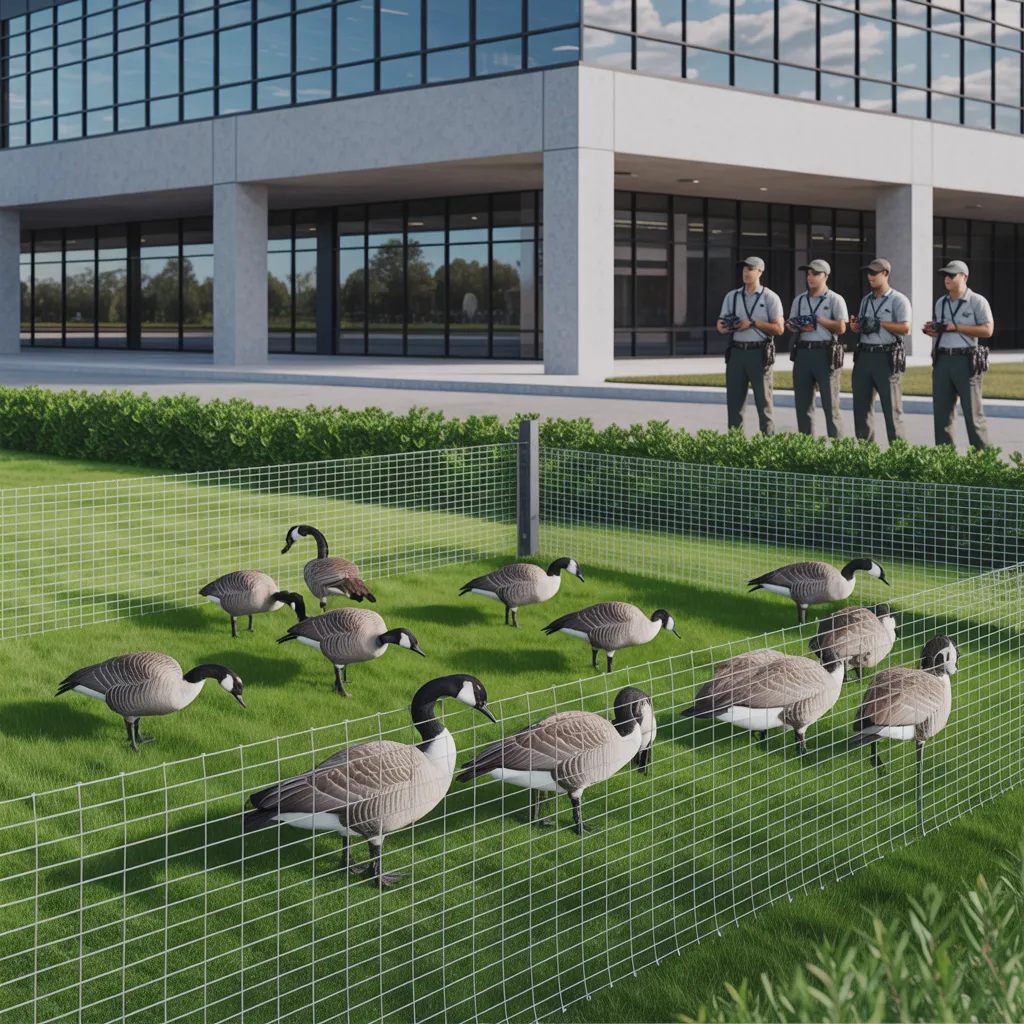
Typical Wildlife Issues You May Encounter
Animal intrusions can lead to various challenges for homeowners and those managing properties. Common issues include infestations of rodents, such as rats and mice, which can harm structures and spread illness. Squirrels and raccoons may also invade attics and basements, causing structural harm and noise disturbances. Furthermore, deer regularly cause harm to gardens and outdoor landscapes, while outdoor areas can be disrupted by birds creating noise and messes.
In urban areas, wildlife can become notably brazen, digging through garbage bins and causing unsightly debris. Snakes can be a hazard in outdoor spaces, especially in regions home to venomous varieties. Pests like raccoons and skunks can also be aggressive if cornered. The presence of these animals can lead to safety concerns and emotional distress for residents. Being aware of these challenges is key to effective control and guaranteeing a safe home environment.
Leading Strategies to Prevent Wildlife Intrusions
Proven preventive measures can significantly minimize the likelihood of wildlife intrusions in neighborhoods. Residents should start by related content securing potential entry points, such as openings in foundations, vents, and attics. Fitting tight screens and closing off holes can deter animals from nesting. Furthermore, keeping yards clean and free of food sources is essential; this includes securing trash in animal-proof containers and regularly clearing away fallen fruit or pet food. Yard design decisions also have an impact; using native plants that are less appealing to wildlife can reduce wildlife interest. Setting up fencing can establish a physical deterrent, but they must be high and deeply set to prevent burrowing animals. Finally, educating the community about wildlife behaviors helps promote forward-thinking solutions, allowing neighbors to collaborate in keeping wildlife away. By implementing these strategies, homeowners can successfully protect their homes from unwanted wildlife encounters.
How to Safely Trap and Relocate Wildlife
Trapping and relocating wildlife requires thorough preparation and thought to ensure the procedure is both humane and efficient. To begin, it is important to select appropriate traps designed specifically for the target species. These traps should be large enough to accommodate the animal while ensuring its safety and comfort. Baiting the trap with suitable food will increase the chances of a successful capture.
When an animal has been captured in a trap, it is important to monitor the trap frequently to limit stress and prevent potential injury. After capturing the animal, the animal should be relocated quickly to a suitable area with proper habitat and food availability, far from human residences. It is essential to comply with local regulations regarding wildlife relocation is necessary, as particular species might be safeguarded or necessitate special authorization. At its core, ensuring a humane approach not only benefits the wildlife but also promotes harmony between human communities and the surrounding natural world.
Safe Ways to Deter Animals
The humane relocation of wildlife often leads to the need for effective deterrence methods to keep animals away from human-inhabited areas. Several methods can be implemented to deter wildlife from returning to these areas. The use of natural repellents, such as predator urine or strong-smelling substances like vinegar and garlic, can successfully establish an uninviting atmosphere. Furthermore, physical barriers, including fences and netting, work to block access to gardens and other attractions.
Acoustic deterrents, like ultrasonic repellers or motion-triggered gadgets, can also be effective in scaring animals away. Additionally, keeping outdoor spaces tidy and organized limits available food sources, making the surroundings less inviting for animals. Cultivating particular plants that local wildlife find undesirable can further discourage their presence. By implementing these safe and humane methods, individuals can create a less inviting atmosphere for wildlife, encouraging harmonious coexistence while safeguarding property and assets.
What Should You Do When You Find an Injured Animal
Upon discovering an injured wild animal, it is crucial to begin by assessing the scene to establish the most appropriate response. Studying the animal's state and environment can offer helpful insights. Following this assessment, getting in touch with a wildlife rescue organization is necessary for adequate support and care.
Evaluate The Situation First
Coming across an injured animal can be a troubling encounter, so it is crucial to thoroughly examine the situation before taking any action. First, the observer should view the animal safely from afar, taking note of its condition and behavior. This helps determine whether the animal is truly injured or just at rest. Subsequently, evaluating the environment is critical; spotting potential risks, such as passing vehicles or hostile pets, can inform the next steps. It is essential to stay calm, as unexpected movements may alarm the animal and intensify its suffering. Furthermore, considering the time of day can influence the urgency of the situation; night-dwelling animals may be at greater risk once darkness falls. In summary, a thorough evaluation lays the groundwork for appropriate intervention.
Connect With A Wildlife Rescue
When encountering an injured animal, contacting a wildlife rescue organization is a critical step in guaranteeing its safety and care. These organizations have the knowledge and resources necessary to assess the animal's condition and provide appropriate care. When reaching out, it is essential to provide specific details, such as the species, location, and nature of the injury. Such details allow rescuers to prepare accordingly. It is advisable to avoid handling the injured animal unless absolutely necessary, as doing so may worsen its stress or injury. Following the call for assistance, individuals should monitor the animal from a safe distance until assistance arrives, keeping the environment as undisturbed as possible. Taking swift action can significantly improve the animal's chances of recovery.
Reliable Local Wildlife Control Resources You Can Count On
When managing wildlife problems, it is vital to understand reliable resources accessible in the community. Local wildlife organizations, government wildlife services, and pest control professionals can offer effective assistance and guidance. Recognizing these options can help guarantee the optimal outcomes for both residents and wildlife.
Regional Wildlife Associations
Local wildlife organizations function as essential resources for individuals seeking dependable wildlife management options. These organizations often focus on outreach and awareness, encouraging compassionate strategies for addressing wildlife challenges. They supply useful guidance regarding native wildlife, their habits, and practical deterrents, helping residents make informed decisions. Numerous groups additionally provide seminars, instructional programs, and resources that emphasize coexistence with wildlife, building greater awareness of regional habitats. Additionally, they may facilitate community outreach programs, linking homeowners with expert wildlife management specialists as needed. Through encouraging responsible conduct and civic participation, these organizations play a vital role in balancing human needs with the well-being of wildlife, maintaining a sustainable and respectful relationship.
Government Wildlife Management Services
Government wildlife agencies serve as a reliable resource for handling human-wildlife conflicts effectively. Such organizations are generally connected to federal or state governments, delivering professional guidance and support to communities experiencing wildlife concerns. They employ trained personnel who are knowledgeable about local ecosystems and wildlife behavior, making sure that strategies are tailored to specific situations. Offerings may encompass habitat assessments, wildlife population management, and public education on coexistence practices. Through the use of humane methods, government wildlife services prioritize the well-being of both animals and communities. They further work with regional organizations to encourage sustainable practices and raise awareness about the conservation of wildlife. For residents seeking assistance, these agencies offer a reliable choice for resolving conflicts in a safe and responsible manner.
Trusted Local Pest Control Experts
Local pest control experts fulfill a critical purpose in addressing wildlife issues at a more community-specific level, complementing the efforts of government wildlife services. These specialists hold in-depth expertise about regional habitats and the particular animals that may pose challenges in urban and suburban settings. These experts specialize in compassionate techniques for animal control, emphasizing safety for both animals and humans. Furthermore, regional professionals are knowledgeable about the regulations and best practices designed for their particular regions, guaranteeing adherence and results. By employing techniques such as barrier installation, environmental adjustment, and humane repellents, they assist in minimizing human-wildlife interactions. Engaging with local pest control experts can produce lasting outcomes that promote coexistence, thereby improving conditions for both wildlife and local residents.
Commonly Asked Questions
What Are the Laws and Regulations Governing Wildlife Control in My Area?
Legal regulations for wildlife control vary by jurisdiction. It is advisable for individuals to contact local wildlife agencies or government resources to gain a clear understanding of the specific rules surrounding trapping, relocation, and wildlife management in their region to guarantee compliance.
How Can I Educate My Children About Wildlife Safety?
To inform children about animal safety, parents can encourage discussions, incorporate books and videos, arrange nature walks, and role-play scenarios. These approaches develop a sense of awareness and respect for wildlife, promoting safe interactions with animals in their environment.
What Steps Should I Take if My Pet Encounters Wildlife?
If a pet encounters wildlife, the owner should stay composed, leash the pet, and gently retreat without startling the animal. It's vital to keep a safe distance and avoid any confrontation.
Are There Any Natural Repellents for Specific Animals?
Eco-friendly deterrents include citrus-based deterrents effective against cats, vinegar-based solutions for raccoons, and peppermint oil as a rodent deterrent. In addition, garlic and cayenne pepper can deter many animals, delivering a green and sustainable strategy for addressing wildlife interactions.
How Can I Spot and Identify Various Species of Wildlife in My Backyard?
To recognize diverse wildlife species in a backyard, individuals should observe physical features, behaviors, and vocalizations. Using nature guides and digital tools can enhance identification, while noting seasonal changes can provide additional context to wildlife activity.